
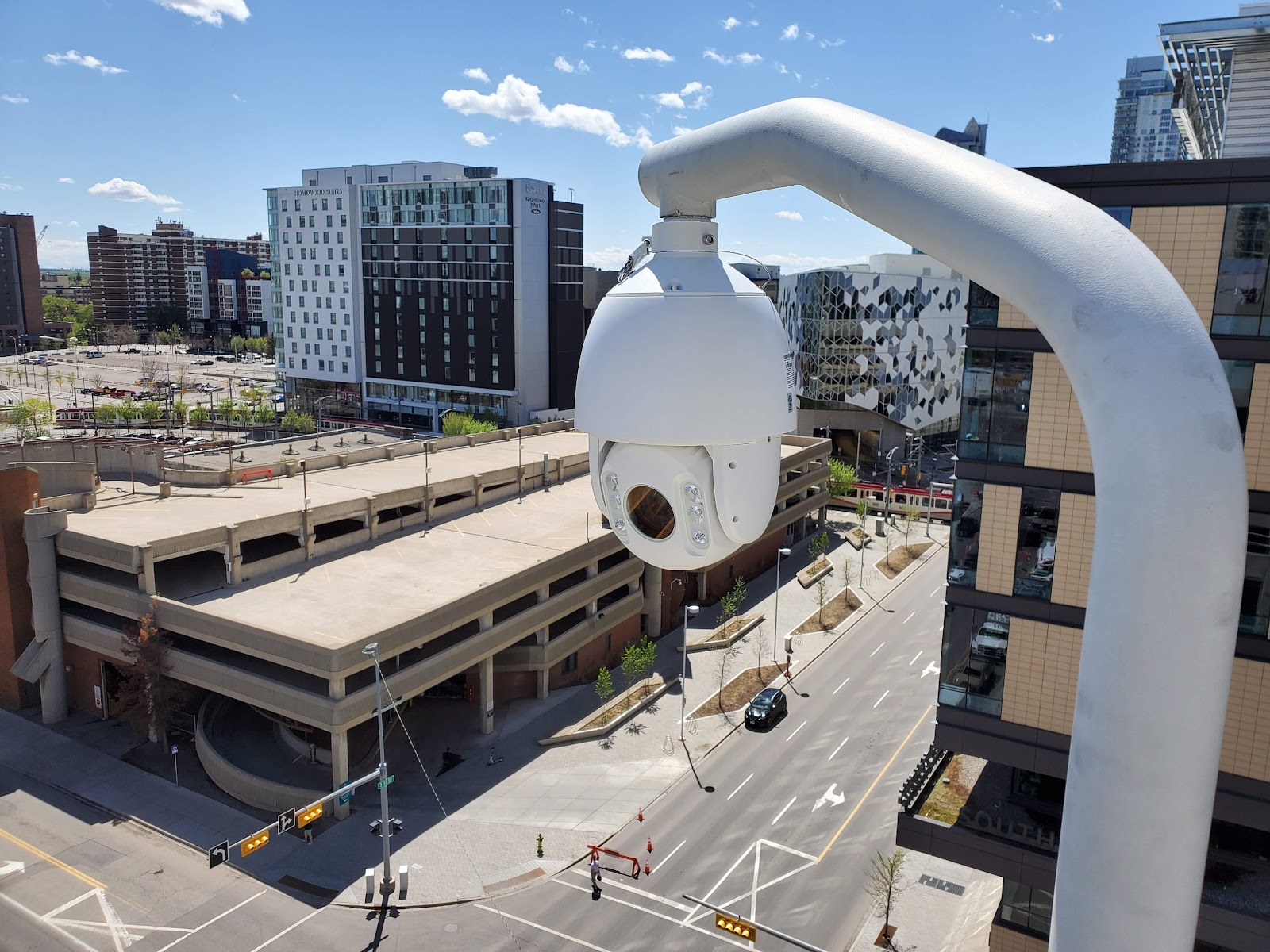
Security cameras are now a familiar sight in Alberta condo buildings — in lobbies, parkades, entrances and amenity rooms. For a condo board, they can help deter package theft and vandalism, give residents a greater sense of safety, and provide a record when something goes wrong. They can also create questions, and sometimes complaints, if residents do not know why cameras are there, what they record, or who can watch the footage. This guide covers the practical points boards should work through before installing cameras, and while they are in use. It is general guidance for boards, not legal advice.
1. Start with board authority and notice
Before a camera goes up, the board should be clear about its authority to install it. That usually means checking the building’s bylaws and any existing rules about common property, and recording the decision in the board minutes — what is being installed, where, and why. Tell owners and residents before the work starts, not after. A short notice explaining where cameras will be, what they are for, and who to contact with questions prevents most misunderstandings. If the board is unsure whether it has the authority for a particular location, that is a good time to get legal advice, before spending money on equipment.
2. Keep cameras to common areas only
Cameras belong in shared spaces where people already expect to be seen by neighbours and visitors: the lobby, building entrances, the parkade, hallways, the mail room and amenity rooms. They do not belong where people expect privacy — inside a unit, on a private balcony, or in washrooms and change areas. Check every camera angle after installation, and check again if a camera is moved. A camera that is meant to watch a parkade entrance should not also be looking through a unit window or into a neighbouring home. If a resident raises a concern about a camera angle, take it seriously and adjust the camera.
3. Be careful with audio
Video and audio are not the same thing, and boards should treat them differently. Recording conversations can raise serious privacy concerns, and in some situations it can create legal problems, even when video recording in the same place would be fine. The safest approach for most condo buildings is simple: do not record audio at all. If a camera or intercom system records audio by default, turn that feature off. If the board thinks audio is needed for a specific reason, get legal advice first, and do not switch it on until that advice is in hand.
4. Put up clear signage
Signs are a small step that makes a real difference. Place a clear sign at building entrances and in the areas being monitored, saying that security cameras are in use, who operates them, and how to get in touch. Signage tells residents and visitors what to expect, and it shows the board is being open about the system rather than recording quietly. Keep the wording simple and consistent across the building.
5. Decide on footage retention and access in advance
Footage should not sit on a recorder forever, and it should not be available to everyone. Before the system goes live, the board should agree — and write down — how long footage will be kept, who is allowed to view it, and how requests for footage will be handled. Keep the list of people with access short, and keep a note of who viewed footage and why. Delete footage on schedule once the agreed period ends, unless it is needed for an incident that is being dealt with or a lawful request. When an owner or resident asks for footage, ask for the request in writing, take the time to consider it, and get legal advice before releasing footage that shows other people. Footage should not be shared on social media or passed around the building.
6. When to get legal advice
Most camera decisions are practical, but a few are legal, and boards should not guess at those. Get legal advice before the first installation if the bylaws are unclear, before adding audio, before sharing footage with anyone outside the board or the property manager, and whenever someone complains that a camera invades their privacy or a request for footage involves another resident. A short conversation with a lawyer early on is usually far cheaper and simpler than sorting out a privacy complaint afterwards.
A short checklist for boards
- Record the board decision, the locations and the reason in the minutes.
- Tell owners and residents before cameras are installed.
- Keep cameras to common areas and check the angles.
- Do not record audio without legal advice.
- Put up clear signage.
- Write down the retention period, who can view footage, and how requests are handled.
- Get legal advice before sharing footage or adding audio.
Done well, cameras in a condo building are a straightforward safety measure: visible, limited to shared spaces, and managed with clear rules. If your board is planning a camera system, or reviewing one that is already in place, Bordo Security Ltd can help with a practical review of camera locations, coverage and signage. Bordo Security Ltd is based in Calgary, with 16+ years of experience, a team of 12 specialists, and 1350+ projects completed. To talk through your building’s needs, request a quote or call 403-397-3300.
